How to Offer 3D-Printed Casts at Your Clinic: A Practical Guide
More patients ask about 3D-printed casts, and more clinics want to offer them. The question is usually practical: what does it take, and what changes for the team? This guide walks through it step by step, using the Gero3D workflow as the example.
1. What you need
An iPad with the Gero app and scanner, and a short training session for the team. Gero3D provides the iPad. There is no 3D printer to buy and no software to install: casts are printed by certified production partners and shipped to the clinic.
2. The first visit
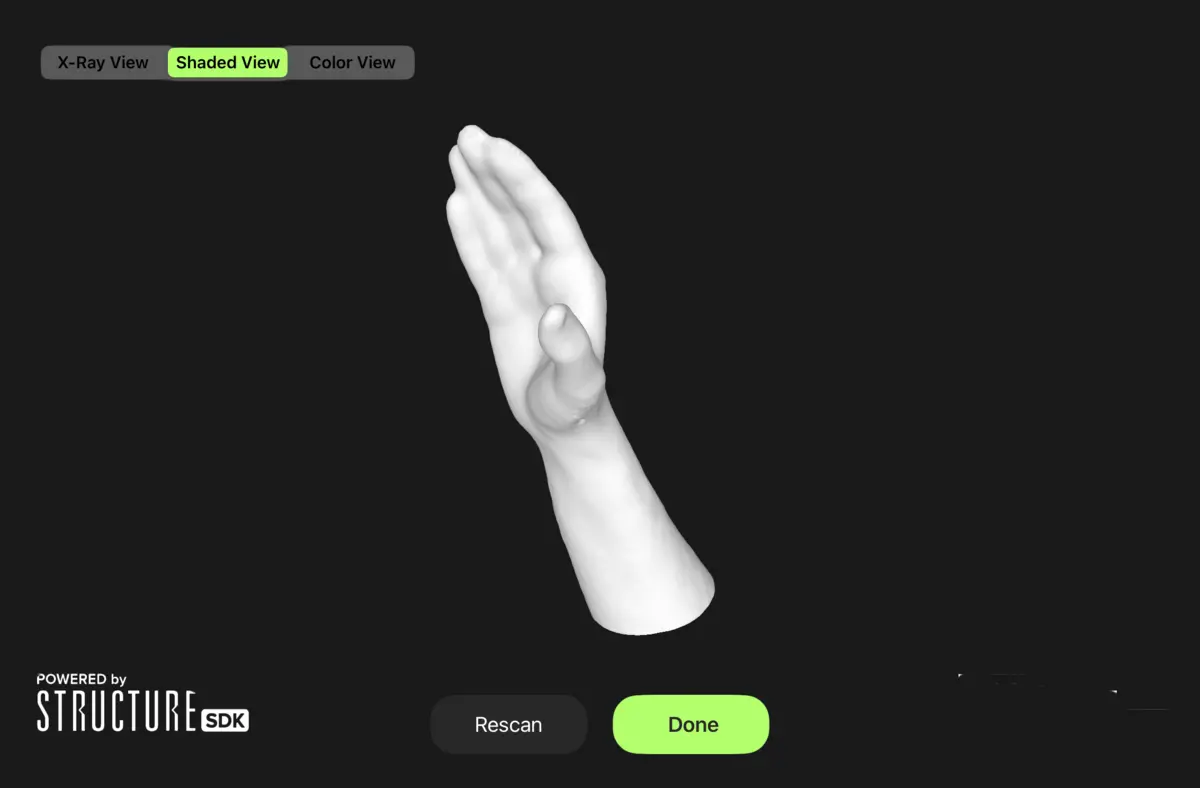
The patient gets a ONE Splint, a ready-made 3D-printed wrist splint in three sizes, for the first days while the swelling goes down. In the same visit the team scans the limb with the Gero app, in under two minutes, and orders the cast from the app. The patient picks the pattern and colour.
3. Design and production
The software designs the cast from the scan automatically, in about 40 seconds instead of about 45 minutes by hand. A production partner prints and finishes it, and it reaches the clinic within 3 days.
4. The fitting visit
The team fits the cast and it replaces the splint. The cast weighs about 60 g, compared with 1.5 to 2 kg for plaster, is water-resistant, and comes off without a saw. No plaster room, no water basins.
5. Which cases fit today
Gero3D casts are made for the upper limb: the Short Arm Cast (wrist, forearm and hand), the Thumb Spica Cast (thumb and scaphoid) and the De Quervain Cast. Whether a 3D-printed cast is right for a patient is always the treating doctor's decision. Lower-limb devices, including AFOs, are in development.
6. How to start
Start with a free pilot: your first 10 casts at no cost, free training at the clinic, and the equipment on us. No commitment: after the pilot, you decide whether to continue. Book a demo to set it up.
Checklist
- Book a 30-minute demo call.
- Receive the iPad and train the team at the clinic.
- Keep ONE Splints on the shelf for first visits.
- Scan and order in the same visit.
- Fit the cast when it arrives, within 3 days.
Read more: what a 3D-printed cast is and the ONE Splint.